







Dofollow links: A Complete Guide


Explore this post with:
A dofollow link is a normal hyperlink that allows search engines like Google to crawl the link and pass SEO value (often called link equity or link juice) from the linking website to the destination website.
These links act as a signal of trust,when a site links to another page with a dofollow link, it’s essentially telling search engines that the content is valuable and credible. By default, all links are dofollow unless a special attribute is added.
For example, a dofollow link looks like this:
<a href=”https://example.com”>Visit Example</a>
This link allows search engines to follow it and helps the linked page gain authority, which can positively impact search rankings.
A nofollow link, on the other hand, includes a rel=”nofollow” attribute that tells search engines not to pass SEO value to the linked page.
Nofollow links are commonly used for paid links, sponsored content, blog comments, or user-generated content where the site owner does not want to vouch for the destination page.
While nofollow links may still bring referral traffic, they generally do not contribute directly to ranking improvements. A nofollow link looks like this:
<a href=”https://example.com” rel=”nofollow”>Visit Example</a>
In short, dofollow links help improve SEO authority and rankings, while nofollow links help control link equity and prevent misuse, both playing different but important roles in a healthy backlink profile.
Importance of Do follow Links
Dofollow links are important because they directly influence how search engines rank, trust, and discover your website. Think of them as digital recommendations, each quality dofollow link tells Google, “This page is worth paying attention to.” Here’s why they matter so much:
1. They pass ranking power (link equity)
Dofollow links transfer SEO value from one site to another. When an authoritative website links to your page with a dofollow link, part of its authority flows to you, helping your page rank higher in search results. This is a core part of how Google’s algorithm works.
2. They build domain and page authority
Consistent dofollow links from relevant websites increase your website’s overall authority. Higher authority makes it easier for all your pages, not just the linked one, to rank for competitive keywords.
3. They help Google discover and crawl your pages
Search engines use links to find new content. Dofollow links act as clear pathways for search engine bots, helping your pages get discovered, indexed, and revisited more frequently.
4. They signal trust and credibility
A dofollow link is essentially an endorsement. When trusted sites link to you editorially, Google sees your site as more credible and reliable, which strengthens your long-term SEO performance.
5. They drive high-quality referral traffic
Beyond SEO, dofollow links placed naturally in relevant content bring visitors who are already interested in your topic, often resulting in better engagement and conversions.
6. They outperform low-quality link volume
One strong dofollow link from a relevant, high-authority site can outperform dozens (or even hundreds) of low-quality or spammy links. This is why modern SEO focuses on earning links, not buying them in bulk.
Dofollow links are important because they fuel rankings, authority, trust, and discoverability. Without them, even great content struggles to compete. That’s why successful SEO strategies prioritize earning high-quality dofollow links through valuable content, PR, and genuine editorial mentions, not shortcuts.
If you want, I can also explain how Google treats dofollow vs nofollow today, or how to earn dofollow links safely without risking penalties.
How to Check for Do follow links in a page
Here are two simple and reliable ways to check whether links on a page are dofollow or nofollow, one by inspecting the page code manually, and the other by using the Link Publishers Dofollow/Nofollow Link Checker tool.
Method 1: Inspect the Code (Manual & Most Accurate)
This method lets you verify the actual HTML, so there’s no guesswork.
Steps:
- Open the webpage you want to analyze
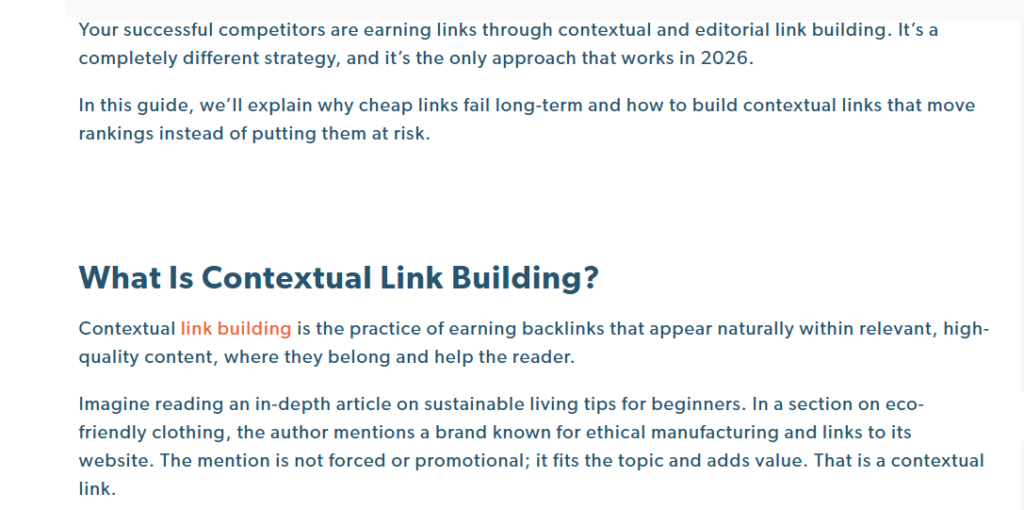
- Right-click on the specific link you want to check
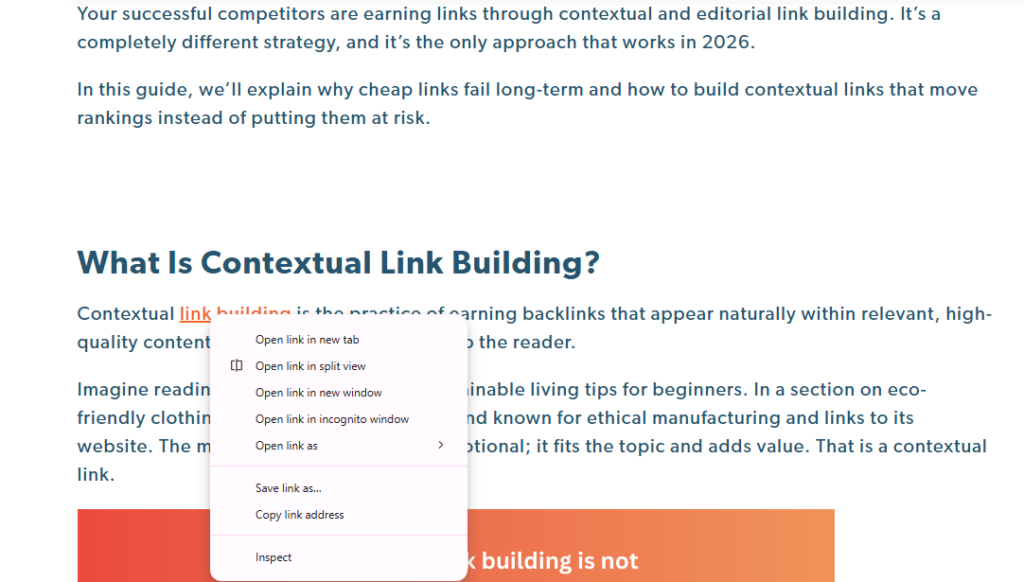
- Click “Inspect” (or “Inspect Element”)
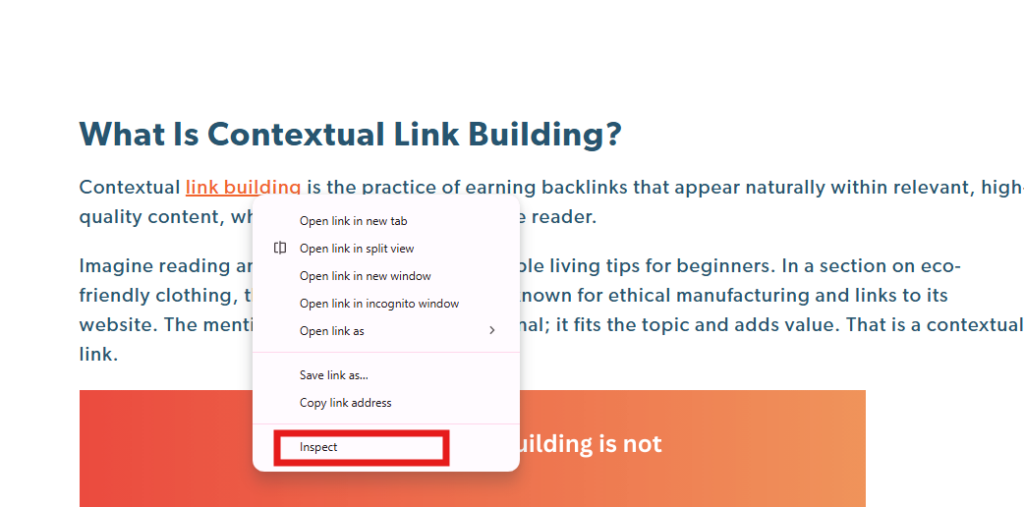
- Your browser will highlight the HTML code for that link
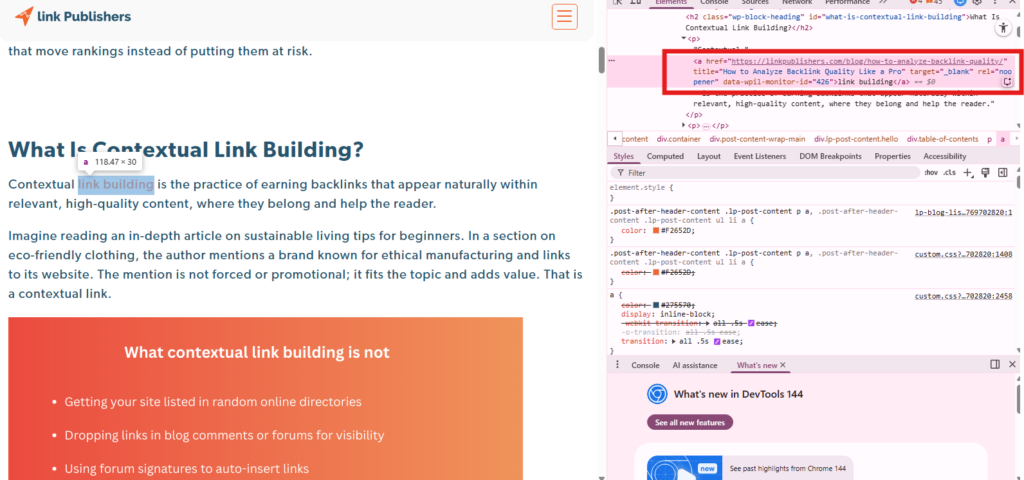
How to identify the link type:
Dofollow link (default behavior)
<a href=”https://example.com”>Example</a>
- No rel attribute present
- Search engines can follow the link
- SEO value (link equity) is passed
Nofollow link
<a href=”https://example.com” rel=”nofollow”>Example</a>
Other non-dofollow variations you may see:
rel=”ugc”
rel=”sponsored”
rel=”nofollow sponsored”
Rule of thumb:
If the link contains nofollow, ugc, or sponsored, it does not pass SEO value.
If there’s no rel attribute, the link is dofollow.
Method 2: Use the Link Publishers Dofollow/Nofollow Link Checker Tool
This method is faster and ideal when you want to analyze all links on a page at once.
Tool:
DoFollow Nofollow Link Checker Tool
Steps:
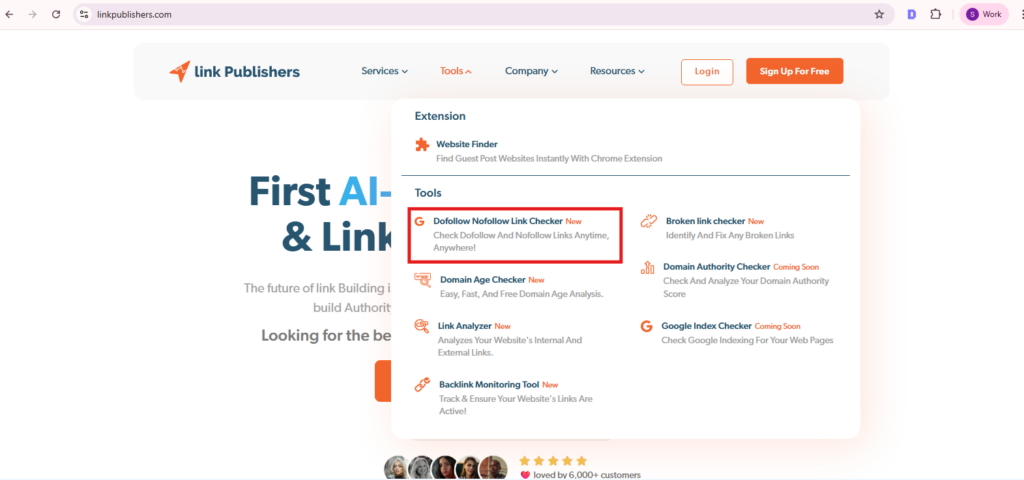
- Open the tool by clicking on on tools in the menu bar and then click dofollow checker
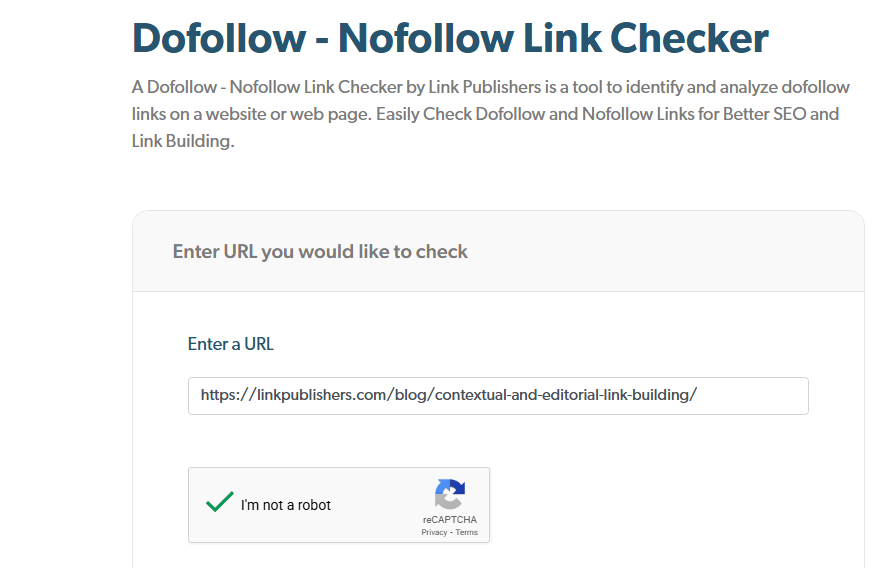
- Paste the URL of the webpage you want to check
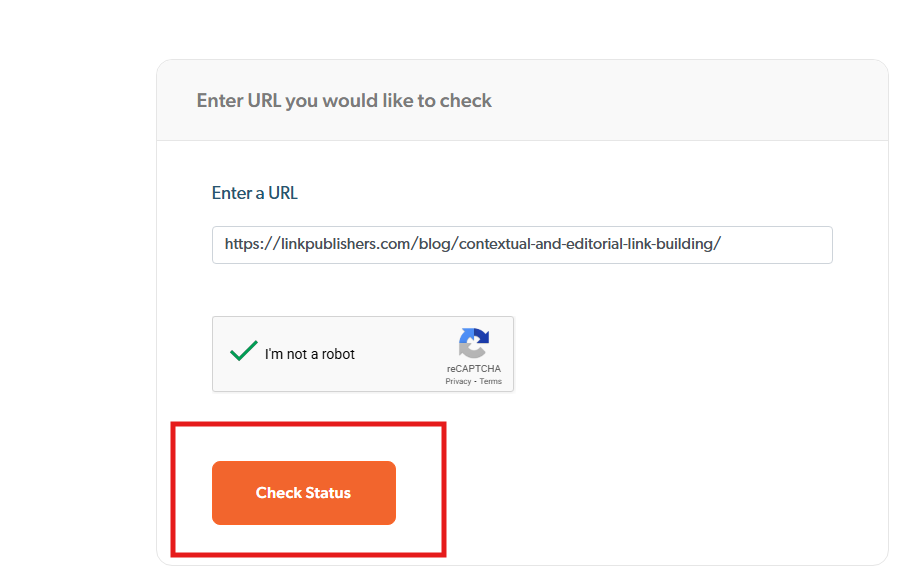
- Click “Check Status”
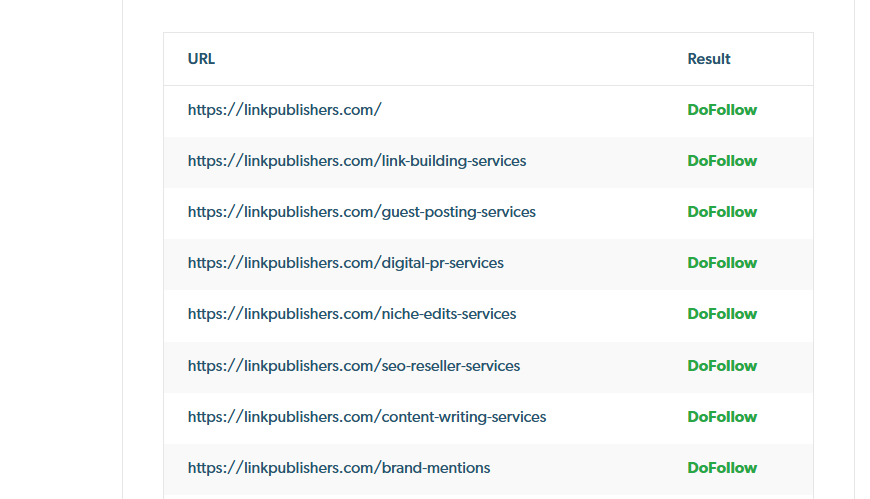
- The tool scans the page and displays:
- All outgoing links
- Whether each link is dofollow or nofollow
- The anchor text and destination URL
Why use this tool?
- No technical knowledge needed
- Checks multiple links at once
- Saves time when reviewing guest posts or opportunities
- Ideal for SEO audits and outreach verification
Which method should you use?
- Inspect code → Best for verifying a specific link with full accuracy
- Link Publishers tool → Best for quickly checking an entire page
Some websites claim to offer dofollow links, but later change them to nofollow. Always double-check after your content goes live using either Inspect Element or a trusted checker tool.
When to use a Dofollow Link
Use dofollow links when you are confident in the page you’re linking to and are happy to pass SEO value.
1. Editorial, natural references
When you’re linking to a resource because it genuinely adds value to your content.
- Research articles
- In-depth guides
- Case studies
- Authority blogs
This signals trust to search engines.
2. Trusted and authoritative websites
If the website:
- Is relevant to your niche
- Has good content quality
- Has a clean backlink profile
Then a dofollow link helps both users and SEO.
3. Internal linking (always dofollow)
All internal links on your website should be dofollow by default.
- Helps distribute link equity
- Improves crawlability
- Strengthens important pages
4. Earned links (PR & mentions)
When a brand, journalist, or blogger mentions your site organically, dofollow is ideal because:
- The link is earned, not manipulated
- It reflects real trust
When NOT to Use a Dofollow Link
Avoid dofollow links when there’s any risk, payment, or lack of trust involved.
1. Paid or sponsored links
If money, products, or services are exchanged:
- Guest posts you paid for
- Sponsored content
- Affiliate links
Use: rel=”sponsored” (or nofollow)
This keeps you compliant with Google’s guidelines.
2. User-generated content (UGC)
Links in:
- Blog comments
- Forums
- Profile bios
- Reviews
Should not be dofollow because you can’t vouch for them.
Use: rel=”ugc”
3. Untrusted or low-quality websites
If a site:
- Looks spammy
- Is unrelated to your niche
- Exists mainly to sell links
Passing authority can hurt your own SEO.
4. Large-scale link exchanges
“Link to me and I’ll link to you” setups done at scale can be risky.
- Especially with dofollow links
- Looks manipulative to search engines
Best Practice: Balanced Linking
A healthy site has:
- Dofollow links for trusted, editorial content
- Nofollow / sponsored / UGC links where trust or payment exists
Google expects this balance, it looks natural.
Quick Decision Rule
Ask yourself:
Would I link to this page if SEO didn’t exist?
- Yes → Dofollow
- No / I’m unsure / It’s paid → Nofollow or Sponsored
Conclusion
Dofollow and nofollow links each serve a clear and important purpose in SEO, and understanding when and how to use them is essential for building a strong, sustainable backlink profile. Dofollow links act as endorsements that pass authority, boost rankings, and help search engines discover and trust your content, while nofollow, sponsored, and UGC links provide control, transparency, and protection against spam or policy violations. The key isn’t chasing dofollow links blindly, but earning them naturally through high-quality content, genuine editorial mentions, and trusted relationships. By maintaining a balanced linking strategy and regularly verifying your links, you ensure your SEO efforts remain effective, compliant, and future-proof in an ever-evolving search landscape.
Also read:





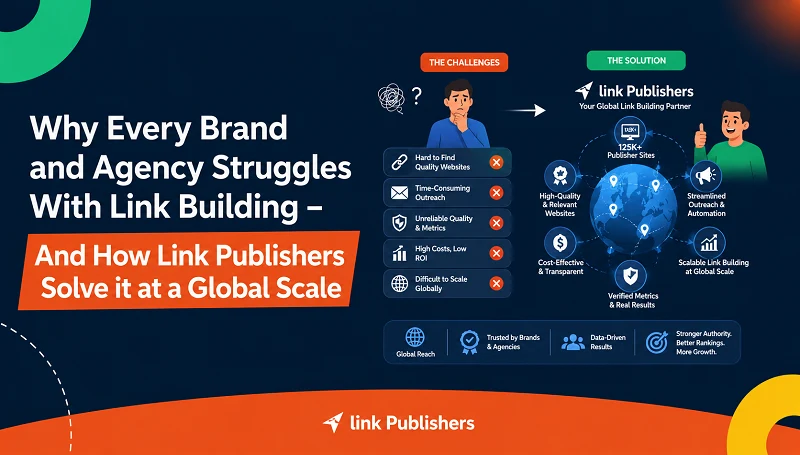
Why Every Brand and Agency Struggles With Link Building - And How Li...
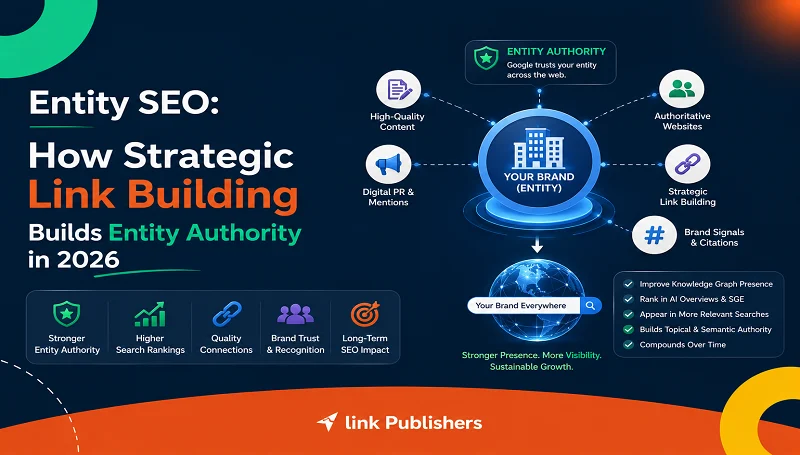
Entity SEO: How Strategic Link Building Builds Entity Authority in 2...