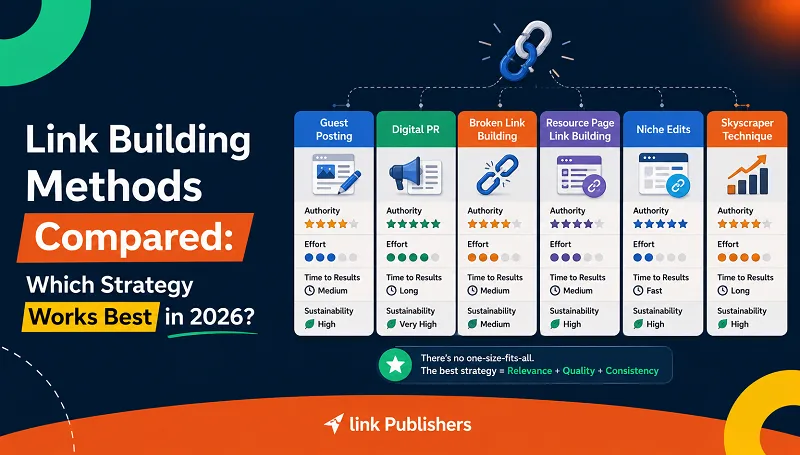









Ultimate Guide to Outsource Link Building for Better SEO Results


Explore this post with:
Have you ever wondered how some businesses seem to effortlessly dominate Google rankings? The secret often lies in their backlinks. But let’s face it—link building can be overwhelming. The constant cycle of pitching, guest posting, and outreach can quickly drain your resources.
Outsourcing could be your solution to streamlined success.
Did you know that 96% of the top 10 ranking websites have over 1,000 backlinks from unique domains? But diving into outsourcing without a solid understanding of the process can lead to wasted time and money, and missed opportunities.
This blog will serve as your ultimate guide to effectively outsourcing link acquisition, helping you boost your SEO, improve rankings, and maximize ROI.
Ready to improve your SEO without the stress? Let’s dive in!
What is Link Building Outsource?
Link building outsourcing involves hiring professionals or agencies to handle the process of acquiring backlinks to improve a website’s search engine rankings. SEO specialists use tailored strategies to enhance your site’s authority and visibility. Common methods include:
- Content Marketing – Creating valuable content that naturally attracts backlinks.
- Guest Blogging – Writing and publishing articles on authoritative websites with links to your site.
- Broken Link Building – Finding broken links on external websites and offering your content as a replacement.
Additionally, outsourced providers engage in outreach to influencers, bloggers, or website owners to secure high-quality backlinks.
By leveraging their expertise, industry connections, and advanced tools, outsourced link-building professionals can secure links from reputable sources. This not only saves time but also boosts domain authority and strengthens your online reputation in the competitive digital landscape.
Benefits of Outsource Link Building
Outsourcing the task to experts provides huge benefits, helping businesses gain more efficient results. Here are the main advantages of outsourcing link building:

Save Valuable Time for Core Tasks
It’s not simply adding links to your website; it is a process with strategy containing research, outreach, and content marketing. Businesses that outsource backlink building free up much time, which can be invested into strategic growth.
According to a survey, over 50% of marketers say they spend more than half of their time on SEO tasks, including link building. Outsourcing can reclaim this time for other critical areas.
Access Established Networks and Relationships
A link-building agency or a reputable SEO firm brings extensive networks and established relationships with high-domain authority websites. These relationships enable them to secure backlinks that would otherwise take months to negotiate on their own.
When you outsource SEO link-building, you’re tapping into their expertise and connections. This advantage can lead to backlinks from industry-leading platforms, increasing your brand’s credibility and domain authority.
Achieve Cost Efficiency
The hiring and training of an in-house team can be expensive and inefficient, especially to small to medium-sized businesses. Outsourcing link building service does not necessarily mean choosing the cheap one because the more scalable and affordable options you need, the better you will get measurable results without necessarily burning holes in your pocket.
Additionally, you will save money on the expenses for sophisticated tools and resources necessary for link building: analytics platforms, outreach tools, and tracking software.
Leverage Advanced Tools and Expert Resources
When you outsource backlink building, you gain access to cutting-edge tools and expert resources. Agencies use sophisticated platforms to analyze competitors, track backlinks, and measure ROI. They use data-driven strategies in anchoring texts to align your strategy with the latest algorithms of Google.
Mitigate Risks and Ensure Compliance
Link building on Google is highly regulated. Its breach will bring about grave penalties. The outsourced professionals keep you away from these most common pitfalls, spam links and black-hat techniques.
A seasoned link-building agency prioritizes quality over quantity, ensuring your backlinks are from reputable domains and relevant content. This reduces the risk of penalties while enhancing your site’s authority and ranking.
Scalable Solutions for Growing Businesses
Whether you need to outsource a number of backlinks or a large-scale strategy, it’s flexible and affordable.
This is very helpful for dynamic businesses like SaaS industries because sometimes link-building needs are not constant, and outsourcing guarantees that your content marketing and outreach strategies will grow with your business.
How to Outsource Link Building: Step-By-Step Guide
Link-building outsourcing can be a great benefit from an online marketing perspective for businesses, whether it would be a long-established SaaS or an emerging e-commerce reality.
The right link building strategy will help give better rankings to your website within search engines, drive organic traffic, and improve your niche authority. Of course, one should plan well while outsourcing so that the agency assimilates with the goal of the process.
This is how you do it:
Step 1: Establish Clear Objectives
Before you outsource link building, define your goals. This step ensures your efforts align with your broader SEO and business strategies.
- Identify Key Metrics: Determine what metric is most relevant to your goals, DA, DR, organic traffic, or backlink numbers, for example.
- Know Your Target Audience: If you know your audience, It will help to determine the kind of content and the websites that will be meaningful to you.
You will have clear objectives to articulate your expectations to agencies who may or may not be able to fulfill them.
Step 2: Explore Potential Link-Building Agencies
Now that you have ascertained your target, start researching for link-building agencies that will meet your requirements. An ideal agency is one that has experience and expertise in your area and is generally practical when it comes to link-building.
- Research Online: Use search engines, forums, and professional platforms like LinkedIn to find reputable agencies.
- Request Referrals: Ask colleagues or industry peers for recommendations.
- Review Case Studies: Examine the agency’s previous projects to gauge their success rates and ability to deliver quality backlinks.
- Check Reviews: Client testimonials and reviews on platforms like Clutch or Google can provide insights into the agency’s reliability and performance.
Compile a list of agencies that appear to meet your requirements for further evaluation.
Step 3: Assess and Create a Shortlist
Once you’ve identified potential agencies, evaluate their expertise and track record. Look for:
- Proven results: Does the agency have a history of securing high-quality backlinks?
- Domain authority improvement: Can they demonstrate previous successes in increasing clients’ domain authority?
- Niche expertise: Do they specialize in your industry and understand its unique challenges?
- Anchor text strategy: Check if they can optimize anchor text naturally to avoid over-optimization penalties.
Compile a shortlist of agencies that meet these criteria. During this process, ensure their methodologies align with white-hat link building practices to maintain your website’s credibility.
Step 4: Solicit Proposals and Analyze Them
Approach the shortlisted agencies and request a detailed proposal. A good proposal should include the agency’s link-building strategy, what kind of websites to search for, and how they plan to deliver measurable results.
Key elements to analyze in their proposals include:
- Transparency: Do they clearly explain their methods?
- Pricing: Are they offering affordable link-building solutions without compromising quality?
- Scalability: Can their strategy grow with your business needs?
- Focus on high-quality backlinks: Do they focus on obtaining links from authoritative and relevant niche websites?
Do not pursue agencies that use black-hat techniques, such as link farms or paying for backlinks, as it may be detrimental to your website.
Step 5: Conduct Strategic Planning Sessions
After narrowing your options, schedule strategy sessions with the final contenders.
Use these meetings to:
- Understand their approach to acquiring niche-specific backlinks.
- Discuss how they will tailor their anchor text strategy to your business goals.
- Clarify their approach to monitoring and improving domain authority.
A reliable SaaS link-building agency would emphasize partnerships with websites around your niche and audience. This not only makes backlinks high quality but also draws in directed traffic.
Step 6: Finalize Contracts and Define KPIs
Once you’ve selected a professional link-building agency, finalize the contract.
Clearly define:
- Key performance indicators (KPIs): Such examples are the number of backlinks every month, the improvements in domain authority, and the increase in organic traffic.
- Milestones: Set specific timelines for achieving goals.
- Scope of work: Ensure the contract includes white-hat link-building practices.
Clarify any terms related to reporting, revisions, or additional services. A well-drafted contract sets expectations and minimizes misunderstandings.
Step 7: Continuously Monitor and Optimize
Link building is a continuous process, so regular monitoring keeps the strategy effective over time and in line with your objectives.
Work closely with your agency to:
- Review backlink reports to assess the quality and relevance of acquired links.
- Analyze improvements in domain authority and organic search rankings.
- Adjust anchor text strategies based on performance metrics.
Additionally, monitor your competitors’ link-building efforts to identify potential opportunities. Your SaaS link-building agency should offer recommendations proactively for optimizations and modifications of the strategies to get the most out of your efforts.
Mistakes to Avoid When Outsource Link Building for SEO Improvement

Outsourcing link-building can be highly effective, but several pitfalls can derail your efforts. Avoid these common mistakes to ensure success:
- Choosing Based on Price Alone: While affordable link building is appealing, excessively low prices often indicate low-quality services. Prioritize agencies that balance cost with quality to secure high-quality backlinks.
- Overlooking White-Hat Practices: Penalties can result from these black-hat agencies that resort to link farm techniques or buy backlinks. Always verify that the agency uses white-hat link-building techniques.
- Ignoring Domain Authority Metrics: Backlinks from low-authority sites won’t significantly boost your SEO. Collaborate with agencies that prioritize links from authoritative websites within your niche.
- Neglecting Anchor Text Strategies: Over-optimized or irrelevant anchor texts can harm your rankings. Choose an agency with expertise in crafting a natural and effective anchor text strategy.
- Failing to Set Clear Objectives: Without clear KPIs, such as domain authority improvement or a specific number of backlinks, it’s hard to measure success. Define your goals upfront.
- Lack of Regular Monitoring: Outsourcing doesn’t mean ignoring the process. Review reports, assess the quality of links, and collaborate with the agency to adjust strategies when needed.
Final Thoughts
Outsourcing link building brings the possibility of revolutionizing your SEO efforts by acquiring high-quality backlinks, improved domain authority, and an increase in organic visits.
You can save time, scale your efforts, and avoid penalties by working with competent SaaS link-building companies using a white-hat approach.
While keeping your main focus on niche relevance, specific objectives, and regular monitoring of progress for long-term benefits, make sure not to fall into other missteps, such as cheap service provider option selection or neglect of anchor text strategies, to capitalize on the best ROI.
Outsourcing link-building is a valuable method through which your online presence creates successful and sustainable growth for the business.
FAQs
Outsourcing saves time, leverages expert strategies, and ensures consistent, professional link acquisition. It’s ideal for businesses lacking in-house SEO expertise to enhance domain authority and secure high-quality backlinks.
Look for experience, niche expertise, proven results, and a focus on white-hat link-building. Review their client testimonials, case studies, and anchor text strategies before deciding.
A niche-specific backlink originates from a website related to your industry, increasing relevance, authority, and traffic from the right audience.
Agencies focus on websites with high domain authority, relevance to your niche, and genuine content. They avoid link farms and prioritize editorially earned links.
Yes, a reliable agency provides regular reports detailing acquired backlinks, domain authority changes, and anchor text strategies, ensuring transparency.
Outsourcing can be cost-effective by providing expertise and efficient processes, delivering high-quality backlinks that improve SEO faster than in-house efforts.
Choose an agency focused on sustainable, niche-specific backlinks, monitor progress regularly, and maintain alignment with SEO trends to adapt and grow.
In case you missed!







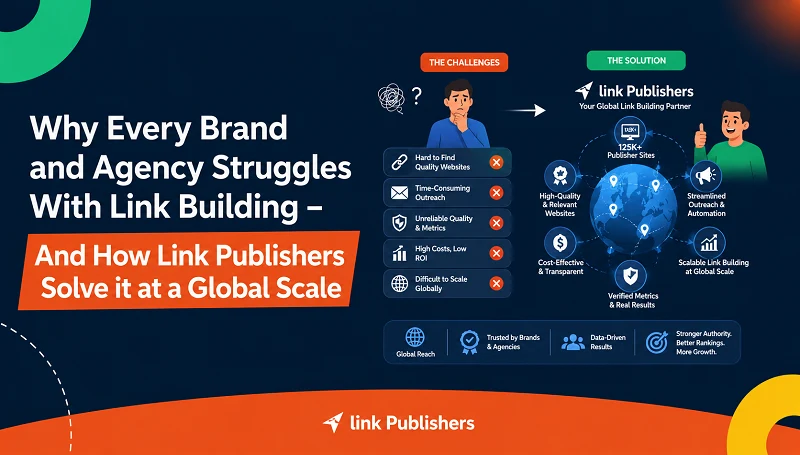
Why Every Brand and Agency Struggles With Link Building - And How Li...
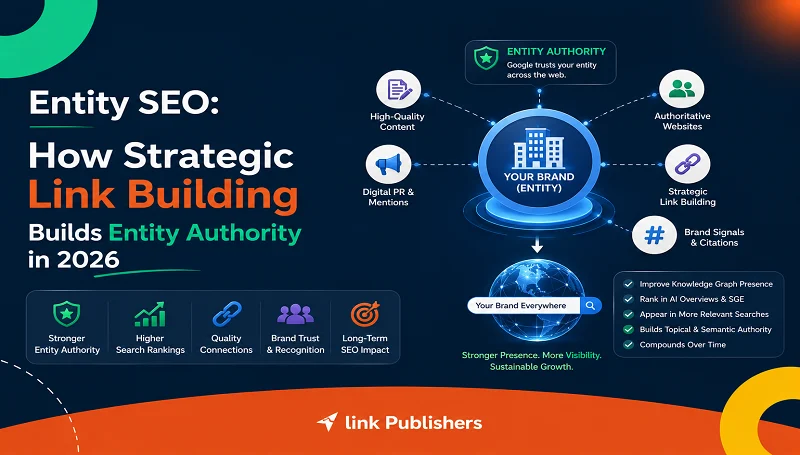
Entity SEO: How Strategic Link Building Builds Entity Authority in 2...