








Link Building for Law Firms: Backlink Strategies and SEO Tips


Explore this post with:
Link building is one of the best ways for law firms to get noticed on Google.
According to a 2024 iLawyerMarketing survey, 91.7% of people use Google as their first step when looking for a lawyer.
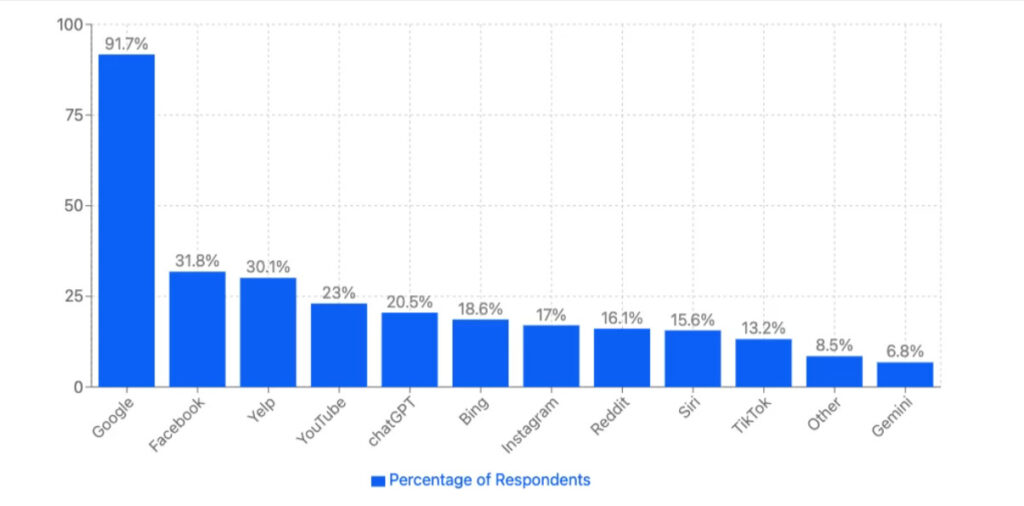
So, if your website doesn’t show up online in search results, you lose those clients. It is that simple.
Link building means getting other trusted websites to link to your firm’s site. These links act as signals to Google that your content is credible and deserves to rank higher.
In this blog, we will explain what link building for law firms really means, why it is important, and the strategies you can follow to start getting quality backlinks that actually help you get more traffic and leads.
What Is Link Building for Law Firms?
Link building for law firms is the process of getting other websites to link back to your firm’s website. These links are called backlinks and they act like trust signals. When Google sees that credible sites are linking to you, it is more likely to rank your pages higher in search results.
This matters a lot in the legal industry.
According to Local Falcon, legal services is one of the most competitive categories in Google’s local search.
In fact, there were 1,322,649 active lawyers in the U.S. as of January 1, 2024, according to the ABA National Lawyer Population Survey.
So if you are running a law firm, you are not just competing with one or two firms – you are likely competing with dozens in your area for those top few spots on Google.
How link building for law firms work?
Google’s algorithm looks at many factors when ranking websites, but backlinks remain one of the strongest signals. Think of backlinks as “votes” for your site. The more credible sites that link to your pages, the more Google sees your firm as an authority.
But not all links offer value. A backlink from a local news outlet or a respected legal blog is worth far more than a link from a random low-quality site. Google looks at –
- Who is linking to you?
- How relevant the linking site is?
- And even what words are used in the link (called anchor text).
According to surveys by FindLaw, up to 37% of people rely on online reviews to help them choose the right attorney.
That means the higher your firm ranks, the more likely you are to get those calls and consultations.
Example of link building for law firms
Let’s say you run a family law practice in Chicago. You publish a detailed guide on “How Child Custody Works in Illinois.” A local parenting blog finds it helpful and links to it in one of their posts. A legal news site also picks it up and links to it.
Now, two things happen:
- Google sees those links and views your guide as a trustworthy resource.
- People reading those blogs may click the link and land on your site.
That is the power of link building for law firms. It boosts your visibility on Google and brings potential clients directly to your website.
Why Link Building Is Important for Lawyers and Law Firms?
Getting your law firm to show up in search results is important if you want people to find you. And because most legal research starts online, link building for law firms play a vital role.
Here is why link building services for law firms matter.
1. It helps you rank higher on Google
Backlinks are one of the strongest signals Google uses to decide which websites should show up first. The more quality links your site has, the more Google trusts it.
And trust is gold. Data from Backlinko shows that the top three spots together grab a big chunk of all clicks.
- Position 1 gets about 27.6% of clicks
- Position 2 gets around 15%
- Position 3 gets close to 11%
2. It builds your credibility
When respected websites link to your content, it shows both Google and real people that your law firm is a reliable source. These are trust signals, and they matter just as much as rankings.
Think about it: if a local news site or even a college resource page links to your guide on personal injury law, it gives your firm real authority. People are more likely to trust you and call you.
3. It supports local SEO
Most law firms serve clients in specific cities or regions. That’s why “near me” searches have grown by over 900% in recent years. People are looking for lawyers nearby and Google uses local signals (like links from local websites or directories) to decide who shows up in those searches.
If your site has backlinks from chambers of commerce or legal directories tied to your city, you are more likely to show up when someone searches for a lawyer in your area.
85% of people use online maps to search for legal service locations near them.
4. It drives actual leads
Ranking well is not just about visibility – it is about getting clients. A strong backlink profile helps get you in front of those people at the exact moment they are looking for legal help.
The Legal Trends Report found that law firms using tools like online search ads and intake forms get 51% more client leads and make 52% more revenue.
5. It gives you an edge in a crowded market
As per IBISWorld research data, there are 417,722 law firms operating in the U.S. Huge competition. Link building for law firms is how you stand apart – especially if you are in a saturated field like personal injury, criminal defense, or family law.
Challenges of Legal Link Building for Law Firms
Link building for law firms sounds simple: get other websites to link to your firm’s website. But in reality, the legal industry has its own unique challenges that make this harder than it seems.
Let’s walk through some of the biggest hurdles when it comes to a strong law firm backlink strategy.
1. Tough competition
There are thousands of law firms and many of them are chasing the same clients using similar link building tactics for law firm. You are not just competing for leads. You are also competing for backlinks from trusted websites and legal directories.
2. Strict industry guidelines
Unlike general businesses, law firms operate under strict ethical rules. You can’t make exaggerated claims or use misleading anchor text in your backlinks. That’s why black-hat tactics like buying links or using shady backlinks companies are a major risk. You must follow proper legal SEO link building.
3. Lack of link-worthy content
Most attorney websites focus on practice areas and not helpful content. A “Contact Us” page or a list of services won’t attract backlinks for lawyers. To get noticed, law firms need to create content that people want to share.
4. Niche relevance is critical
Getting a backlink from a random food blog won’t help you. You need backlinks from relevant sites or even local citations from news outlets or bar associations. But here is the catch: legal blogs get constant outreach. If your content is not good or your guest post outreach isn’t thoughtful, you will likely be ignored.
5. Outreach takes time
Many law firms don’t have time to manage a consistent outreach campaign. Even if you are offering a great legal niche guest posting article or resource, many sites won’t link unless there is something in it for them. And negotiating quality link building for attorneys is time-consuming without guaranteed results.
6. Avoiding low-quality links
Not all backlinks are helpful. If your site is linked from spammy or unrelated pages, it can hurt your rankings. For effective lawyer SEO backlinks, focus on sites with real domain authority and strong reputation. Avoid shortcuts in link building for law firms. One high-quality link from a relevant legal blog is better than 50 low-quality ones.
Top Link Building Strategies for Law Firms
There is no shortcut to building links for law firm. But if you follow the right strategies and stay consistent, you can build a strong foundation for long-term visibility. Below are the best ways to build high-quality backlinks for lawyers.
1. Get listed on trusted legal directories
One of the easiest ways to start link building for law firms is to submit your site to reputable legal directories. Here are some of the best legal directories where your firm should be listed.
- Justia.com
- Avvo.com
- FindLaw.com
- HG.org
- Lawyers.com
- Nolo.com
- Superlawyers.com
- State Bar Directories
What to do?
- Create a profile on sites like Justia and HG.org.
- Fill in accurate information about your legal practice and contact details.
- Use consistent business information to boost local SEO for law firms.
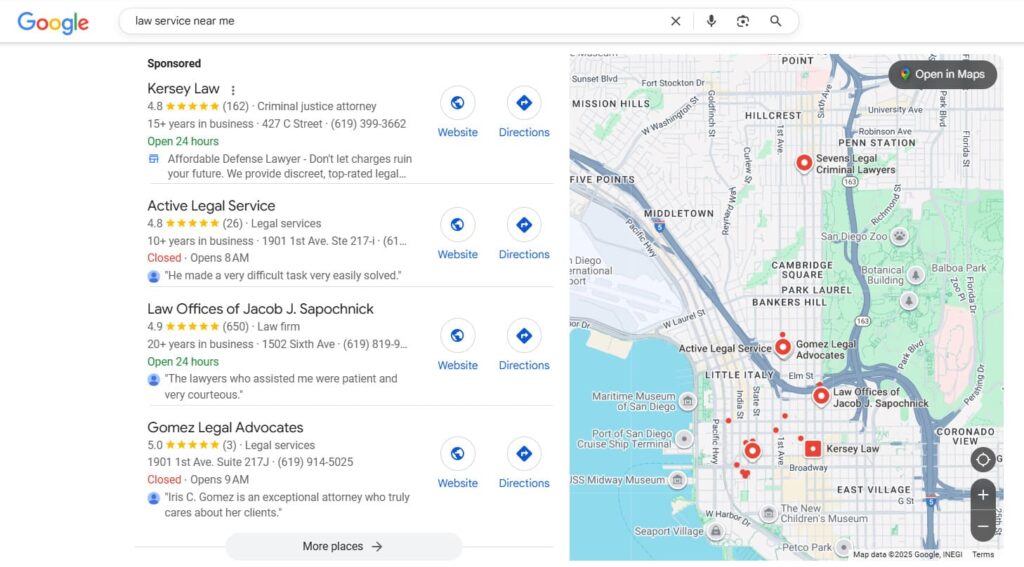
These directories offer niche relevance + high domain authority and often rank well in Google themselves. It is also a smart move for building local citations, which support your presence in Google’s local 3-pack.
2. Publish link-worthy content (linkable assets)
Most lawyer SEO backlinks don’t go to homepages or service pages – they go to helpful resources. That is because people and search engines prefer to link to content that answers questions or provides real value. These resources act like magnets when it comes to link building for law firms.
Create helpful and original content that people want to reference or share, such as –
- How-to legal guides (“What to Do After a Car Accident in Texas”)
- Legal checklists or templates (divorce paperwork, power of attorney forms)
- FAQs about your practice area
- Case studies, statistics, or industry trends
This content is known as a linkable asset and can attract links naturally over time.
How to use it for link building for law firms?
- Use tools like AnswerThePublic or Google’s People Also Ask to find real questions people ask.
- Make the content skimmable + accurate + genuinely helpful.
- Promote your content through guest post outreach, emails, and social media.
This is a core part of any strong law firm backlink strategy.
3. Write guest posts on legal and local blogs
Legal niche guest posting is one of the most effective ways to earn contextual link building for law firms. Reach out to law blogs, bar association sites, legal tech platforms, or local business blogs and offer to write a valuable article for their audience.
Here is what you can do –
- Search for terms like: “write for us” + law blog, or use tools like BuzzSumo to find relevant blogs.
- Pitch a topic that ties your expertise to their audience’s needs (e.g. “How to Protect Your Small Business from Lawsuits” for a local business blog).
- Include a natural backlink to a related resource on your site – like your guide or blog post.
This helps build link building for attorneys in a way that adds value to other websites while promoting your firm.
Note: Guest posting on your own can take weeks or even months. If you are looking for faster results, Link Publishers can help. It is a guest posting marketplace with access to 114,000+ websites, including many in the legal niche. You can choose the sites you want, and we’ll handle everything – from writing the content to publishing your backlink.
4. Use HARO to get press mentions
Help A Reporter Out (HARO) connects journalists with expert sources. As a lawyer, you can offer expert input in exchange for a link to your attorney website.
How to use this technique for link building for law firms?
- Sign up as a source on HARO (free).
- Choose categories like “Legal” or “Business.”
- Check your email daily for media requests.
- When a relevant query comes in, respond with a clear, expert quote and include your credentials.
If selected, your input may appear in an article on a high-authority website – with a backlink.
5. Take advantage of community involvement and sponsorships
Community links are a goldmine for local SEO for law firms. They also show niche relevance and build trust with Google.
What to do?
Sponsor local events, charities, sports teams, or college clubs. These organizations often link to sponsors from their websites.
How to implement?
- Reach out to community groups and ask if they offer sponsor links.
- If your firm hosts or speaks at events, ask for your site to be linked on the event page.
- Offer to write a recap article for them, including your backlink.
These links may not drive huge traffic, but they strongly support link building for lawyers targeting local markets.
6. Find and fix unlinked brand mentions
Sometimes websites mention your law firm but forget to include a link. That is a missed opportunity for legal SEO link building. Here are some tips you can follow to find unlinked brand mentions:
- Use tools like Google Alerts or BrandMentions to track when your firm’s name is mentioned online.
- If you find an unlinked mention, email the author and politely ask them to add a link.
- Keep your request short, friendly, and offer to send them the correct link to your attorney website.
It is one of the easiest ways to earn relevant backlinks for lawyers with very little effort.
7. Start a legal blog (And keep it active)
Blogging helps you show up for long-tail search terms, establish expertise, and earn backlinks, if the content is good.
Law firms that keep an active blog generate 68% more qualified leads than those that don’t. Yet, only 27% of law firms have a blog – and just 5% of individual lawyers run a personal one.
How to do it?
- Write weekly or biweekly posts on topics that matter to your clients.
- Focus on actionable, local, or trending legal questions.
- Use internal links to strengthen your site structure and earn lawyer SEO backlinks to older posts.
Google rewards websites that keep content fresh and relevant. Plus, the more content you create, the more chances you have to earn links over time.
8. Use the skyscraper technique
This is an advanced but powerful strategy for SEO for attorneys. Here is how it works for link building for law firms.
What to do?
- Find a popular legal article that has lots of backlinks.
- Write a better, more updated version on your site.
- Reach out to the sites linking to the old content and suggest they link to your improved version instead.
If your version adds more value, many of those sites will be willing to update their link to point to your content instead.
9. Monitor competitor backlinks
Spying (ethically) on your competitors is a great way to uncover backlink opportunities you may have missed.
- Use tools like Ahrefs or Semrush.
- Enter a competitor’s domain and review their backlink profile.
- Look for links from legal directories, blogs, or news outlets that you haven’t reached out to yet.
If another firm got a link there, there is a good chance you can too – especially if your content is better.
10. Use digital PR to get high-authority backlinks
Digital PR is about using newsworthy stories to get coverage and backlinks from media outlets and high-authority websites.
This works especially well for law firms that have strong opinions on current events or unique insights into legal trends.
How to use?
- Pitch story ideas to journalists that tie into trending legal topics (e.g., changes in state laws, data privacy lawsuits, or legal rights in viral news).
- Use platforms like Help a Reporter Out (HARO), or direct outreach to editors at local and national media.
- Share data, expert commentary, or real-world legal examples that reporters can quote.
This is one of the best attorney SEO services if you are aiming for high-end links.
Best Links for Legal Websites
Not all backlinks offer the same value. While some can significantly improve your search rankings, others may have little impact or even harm your site’s credibility. Below are the most effective types of links for law firms to focus on.
| Link Type | Why It Works |
| Legal Directories | Trusted sites like Justia and Avvo boost domain authority and local SEO |
| Guest Posts (Legal/Local Blogs) | Offers niche relevance and control over anchor text for stronger backlinks |
| News Mentions & Digital PR | Builds trust and credibility; helps you earn high-authority backlinks |
| Local Business Listings | Improves visibility in Google Maps and supports local SEO for law firms |
| Contextual Links in Articles | Natural in-content links pass more SEO value than links in footers or sidebars |
Mistakes to Avoid in Law Firm Link Building
Link building for law firms can help your business grow online – but only if it is done right. Here are some common mistakes that can hurt more than help.
- Buying cheap or spammy backlinks
- Ignoring link quality and going for quantity
- Getting links from unrelated or low-authority sites
- Using the same anchor text over and over
- Linking only to your homepage
- Not checking where your backlinks come from
- Skipping legal relevance or niche relevance
- Forgetting about local citations and community links
- Not tracking your backlinks or results
- Relying only on directories and doing nothing else
Avoiding these mistakes helps you build a strong and safe law firm backlink strategy over time.
A study found that 73% of law firms don’t use internal linking. Also, 43% have a weak backlink profile, all of which hurt their SEO performance.
Tools and Resources for Law Firm Link Building
Link building for law firms is easier when you have the right tools. These platforms can help you find backlink opportunities and track progress.
| Tool | What It Helps With |
| Ahrefs | Analyze backlinks, check competitors, and find content that earns links |
| Semrush | Monitor backlinks, run audits, and compare competitor profiles |
| Moz | Track domain authority and discover link-building opportunities |
| Google Alerts | Find brand mentions that don’t link to your site |
| HARO | Get backlinks by providing quotes to journalists |
| BuzzSumo | Discover top-performing legal content for outreach ideas |
| Link Publishers | Guest posting platform with access to legal blogs and quick placement (plus free link building tools) |
These tools make it easier to manage your legal SEO link building efforts and grow your site’s authority with less guesswork.
Should You Work With a Link Building Company for Your Law Firm?
If you don’t have time for DIY outreach, consider hiring a backlinks company that specializes in attorney SEO services. But be careful – many sell low-quality links that can hurt your site.
What to look for?
- They have experience in link building for attorneys
- They focus on legal SEO link building for law firms, not spammy bulk links
- They offer real sites with domain authority and actual traffic
- They let you review and approve links before they go live
- They avoid private blog networks (PBNs), paid links without disclosure, or black-hat methods
Always ask for examples before paying.
Conclusion
Link building for law firms takes time, but it is one of the most effective ways to rank higher on Google and get real leads. With so much competition online, a strong backlink profile helps your firm get more exposure.
Key takeaways
- Focus on quality and not just quantity
- Use legal directories, guest posts, and local links
- Create helpful content people want to link to
- Avoid spammy links and shortcuts
- Track your backlinks and results over time
FAQs
Law firms get backlinks by listing on legal directories, writing helpful blog content, guest posting on relevant sites, sponsoring events, and responding to media requests through tools like HARO or digital PR.
Yes. Link building helps lawyers improve visibility and rank higher on Google. It also helps in attracting more clients. Link building for law firms is a long-term strategy that builds authority and trust online.
Yes, trusted legal directories like Justia, Avvo, and FindLaw provide high-authority backlinks. They also support local SEO and help clients find and trust your firm online.
Improve rankings by using link building for law firms, optimizing your Google Business Profile, adding local citations, and publishing helpful legal content that answers common questions people search for in your practice area.
Guides, checklists, FAQs, legal explainers, and research-based posts work best. Content that answers questions or offers value is more likely to be shared or linked by other sites.
Related content:







Choosing a Link Building Partner (Agency Buyers Guide)
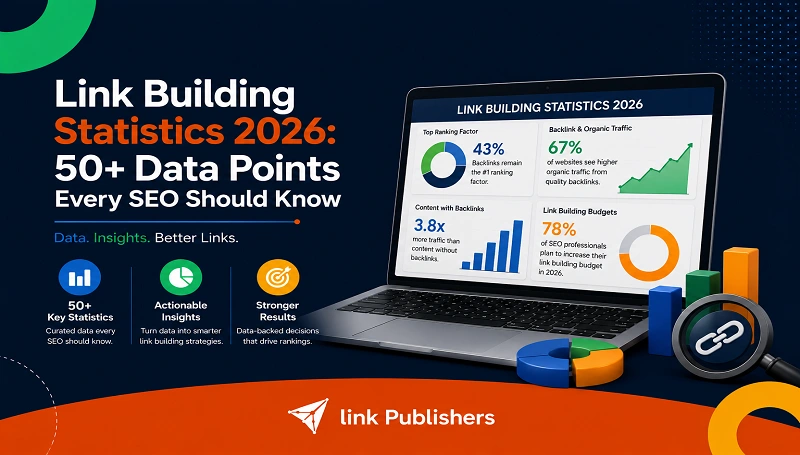
Link Building Statistics 2026: 50+ Data Points Every SEO Should Know